

Last updated: May 2026 Amlodipine 5mg, 10mg article in Australia Based on TGA-approved product information, NPS MedicineWise, Healthdirect Australia, Heart Foundation guidelines, and peer-reviewed clinical evidence.
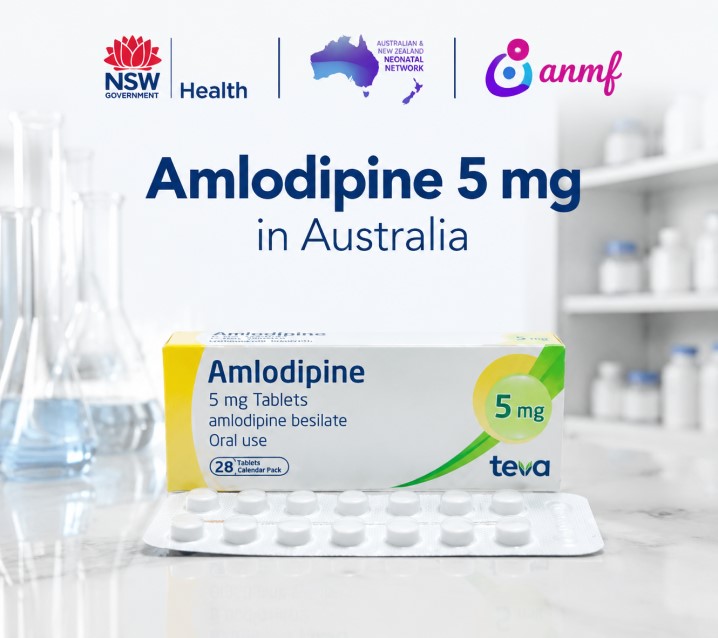
| Parameter | Details |
|---|---|
| Active ingredient | Amlodipine besylate |
| Drug class | Calcium channel blocker (dihydropyridine) |
| Used for | Hypertension, stable angina, coronary artery disease |
| Strengths in Australia | 2.5 mg, 5 mg, 10 mg tablets |
| Typical starting dose | 5 mg once daily (2.5 mg for elderly or liver impairment) |
| Maximum dose | 10 mg once daily |
| When to take | Any time of day — same time daily, with or without food |
| Time to full effect | 7–14 days of daily use |
| Half-life | 35–50 hours |
| Slows heart rate? | No — unlike beta-blockers |
| Prescription required? | Yes — Schedule 4 |
| PBS listed? | Yes — subsidised for eligible Australians |
| Australian brands | Norvasc, APO-Amlodipine, Amlodipine Sandoz, APX-Amlodipine, Amlodipine GH, Pharmacor |
| Avoid with | Grapefruit and grapefruit juice |
| Overdose emergency | Poisons Information Centre: 13 11 26 (24/7) |
| Health helpline | Healthdirect: 1800 022 222 (24/7) |
1. What is amlodipine and what is it used for?
Amlodipine is one of the most widely prescribed blood pressure medicines in Australia, belonging to a class called calcium channel blockers. High blood pressure (hypertension) affects around 1 in 4 Australian adults and contributes to over 25,000 deaths annually — the country’s leading modifiable cause of preventable death. Most people have no symptoms, which is why consistent treatment matters so much.
The TGA approves amlodipine to treat hypertension (alone or in combination), chronic stable angina, vasospastic (Prinzmetal’s) angina, and coronary artery disease.
Important limitation: Amlodipine prevents chest pain through daily use — it does not relieve an acute angina attack. Your doctor may separately prescribe glyceryl trinitrate (GTN) spray for that purpose.
2. How does amlodipine work?
When calcium enters the muscle cells in artery walls, the muscles contract and blood pressure rises. Amlodipine blocks these calcium channels — artery walls relax, vessels widen, blood flows more easily, and blood pressure falls. The heart muscle also receives better blood supply, preventing angina.
Unlike verapamil or diltiazem, amlodipine acts on vascular smooth muscle rather than the heart’s electrical system — so it does not slow heart rate. This is a fundamental class difference, not a deficiency.
The evidence base is robust. The ALLHAT trial (33,000+ patients, ~5 years) confirmed amlodipine is as effective as other first-line medicines in preventing fatal heart attacks and strokes. The CAMELOT trial (1,991 patients with CAD, 24 months) showed a significant reduction in cardiovascular events versus placebo. Amlodipine is a first-line recommendation from the Heart Foundation of Australia and major international cardiology guidelines.
3. Doses – 5 mg vs 10 mg
| Dose | Typically prescribed for | Key notes |
|---|---|---|
| 2.5 mg once daily | Adults 65+, liver impairment, adding amlodipine to existing treatment, children 6–17 | Many 5 mg tablets can be halved along the scoreline |
| 5 mg once daily | Most adults starting treatment | Controls blood pressure adequately in the majority of patients |
| 10 mg once daily | Adults whose BP remains above target after 7–14 days on 5 mg | Maximum dose — higher ankle swelling risk (14.6% women, 5.6% men) |
If 5 mg alone is insufficient, doctors often add a complementary medicine — such as perindopril or a diuretic — rather than increasing to 10 mg, because combination therapy frequently achieves better control with fewer side effects. Never adjust your own dose — contact your GP if blood pressure remains above target.
4. Special groups: elderly, pregnancy, liver disease
Adults aged 65 and over
Drug exposure is approximately 60% higher in older patients due to slower metabolism, so doctors typically start at 2.5 mg. The key practical risk is postural hypotension — a blood pressure drop when standing — which increases fall risk. Always rise slowly and sit on the edge of the bed for 30 seconds before standing.
Kidney disease
No dose adjustment required. Amlodipine is not cleared by the kidneys, so impaired kidney function does not cause accumulation.
Liver disease
Amlodipine is metabolised in the liver. Significant impairment slows clearance — start at 2.5 mg and monitor carefully.
Pregnancy and breastfeeding
Safety in pregnancy is not established. Inform your doctor immediately if pregnant or planning to conceive — alternative medicines with established pregnancy safety profiles exist. Amlodipine passes into breast milk in small amounts; discuss with your doctor before breastfeeding.
5. How and when to take amlodipine
Take amlodipine once daily at the same time every day — any time of day, with or without food. Its long half-life provides around-the-clock blood pressure control regardless of timing. Linking the dose to an existing habit (morning coffee, brushing teeth) makes it easier to remember. Swallow the tablet whole; some brands (Sandoz, GH) have a scoreline for halving to 2.5 mg.
Missed dose
- Within 12 hours of usual time — take it straight away
- More than 12 hours — skip it; continue at the usual time tomorrow
- Never double up — two doses at once can cause a dangerous blood pressure drop
If you regularly forget, ask your pharmacist about a Webster-pak — blister packs organised by day and time, available at most Australian pharmacies.
Keep taking it even when you feel well. Hypertension has no symptoms. Stopping without medical advice allows blood pressure to rise again, increasing stroke and heart attack risk.
6. Side effects
Most people tolerate amlodipine well. When side effects occur they are usually mild and often improve within the first 2 weeks.
| Side effect | How common? | What to do |
|---|---|---|
| Ankle and foot swelling | Up to 14.6% women; 5.6% men — more at 10 mg | Tell your doctor. Elevate legs when resting. Not dangerous in itself — see note below. |
| Headache | Common in weeks 1–2 | Usually resolves on its own. Standard pain relief is fine. |
| Flushing | Common at start of treatment | Usually mild and temporary. |
| Dizziness | Occasional | Rise slowly when standing. Contact doctor if severe or persistent. |
| Fatigue / nausea | Occasional | Taking with food helps nausea. Tell doctor if fatigue affects daily life. |
Is ankle swelling dangerous? In most cases, no. It is caused by fluid shifting into tissues as a direct result of vasodilation — not a sign of heart failure or kidney damage. If it is bothersome, do not stop the medicine; speak to your doctor. They may lower the dose, add a diuretic, or consider an alternative.
Serious side effects — call Triple Zero (000) immediately
- Severe chest pain different from usual, especially with sweating, breathlessness, or pain to the arm, jaw, or back — possible heart attack
- Sudden large swelling of the face, lips, tongue, or throat — rare but life-threatening (angioedema)
- Yellowing of skin or eyes — possible liver toxicity
- Severe widespread rash — rare severe skin reaction
Report side effects to the TGA at tga.gov.au/reporting-problems.
7. Common fears about amlodipine – answered honestly
Searches like “amlodipine is killing me” and “the truth about amlodipine” reflect genuine anxiety. Here are direct, evidence-based answers.
“I feel worse since starting it”
Headaches, flushing, and dizziness in weeks 1–2 are common as the body adjusts to lower blood pressure. They usually resolve on their own. If severe or persistent beyond 2–3 weeks, contact your GP — there are multiple alternative medicines available.
“I read that calcium channel blockers are dangerous”
This concern traces to older data on short-acting nifedipine, which is rarely used today. Amlodipine is a long-acting dihydropyridine with decades of evidence — including the ALLHAT trial referenced in Section 2 — confirming a favourable safety profile.
“Is amlodipine addictive?”
No. There is no dependence, tolerance, or craving. The reason not to stop suddenly is purely physiological: blood pressure rises again without it — a medical risk, not an addiction symptom.
“Why hasn’t my blood pressure changed?”
Full effect develops over 7–14 days. If blood pressure remains above target after 2 weeks at the correct dose, your doctor may increase the dose, add a complementary medicine, or investigate secondary causes. This is normal clinical practice, not a sign the medicine has failed.
8. Food and drink interactions
Grapefruit — avoid
Grapefruit contains compounds that block CYP3A4 — the liver enzyme that breaks down amlodipine. The result is more drug entering your bloodstream than intended, potentially causing an unpredictable blood pressure drop. Avoid all grapefruit and grapefruit juice. Oranges, lemons, limes, and mandarins are fine.
Bananas — absolutely fine
The potassium-interaction concern applies to ACE inhibitors and potassium-sparing diuretics, not to amlodipine. Bananas, avocados, and other high-potassium foods are completely safe.
Alcohol and salt
Alcohol lowers blood pressure on its own; combined with amlodipine, dizziness and fall risk increase. Moderate consumption is generally acceptable (no more than 10 standard drinks per week per Australian guidelines). Reducing salt intake actively supports amlodipine — high sodium works against its blood pressure-lowering effect. Aim for low-sodium food choices and avoid adding salt when cooking.
9. Amlodipine combined with other medicines
Most patients with hypertension eventually need more than one medicine. Combining amlodipine with a complementary agent is standard, evidence-based practice — not a sign it is not working.
| Medicine | How it complements amlodipine | Australian note |
|---|---|---|
| Perindopril (ACE inhibitor) | Different BP pathway; also protects kidneys and reduces heart failure risk | Combined tablet: Coveram |
| Telmisartan (ARB) | Same pathway as ACE inhibitors; preferred when ACE inhibitor cough occurs | Combined tablet: Pritor/Amlodipine |
| Valsartan (ARB) | Same rationale as telmisartan | Combination products available |
| Diuretic (hydrochlorothiazide, indapamide) | Removes excess fluid; can reduce amlodipine-induced ankle swelling | Standard in three-drug resistant hypertension regimens |
Important drug interactions
- Simvastatin — amlodipine raises simvastatin levels by up to 77%; cap simvastatin at 20 mg/day when combined with amlodipine 10 mg
- Cyclosporine / tacrolimus — transplant medicines whose blood levels are altered by amlodipine; therapeutic monitoring required
- Diltiazem — another calcium channel blocker; combination can produce excessive BP lowering
- Azole antifungals, some HIV antiretrovirals — increase amlodipine blood levels
- Rifampicin / St John’s Wort — reduce amlodipine’s effectiveness
- Sildenafil (Viagra) — additive BP lowering effect; inform your doctor
Tell your GP and pharmacist about every medicine, supplement, vitamin, and herbal product you take. Australian pharmacists offer free medication reviews and will flag interaction risks proactively.
10. PBS, brands and cost in Australia
Amlodipine is Schedule 4 (Prescription Only) — a valid prescription is always required. It is PBS-listed for hypertension and angina. As of 2026, the maximum co-payment is approximately $31.60 for general patients and $7.70 for concession card holders per 30-tablet script. Many generic brands cost below the cap. Check pbs.gov.au for current pricing.
All PBS-listed generics are bioequivalent to Norvasc (same active ingredient, same rate of absorption). There is no clinical reason to prefer one brand over another. The cheapest available brand is dispensed by default unless your doctor specifies otherwise.
| Brand | PBS listed? | Strengths |
|---|---|---|
| Norvasc | Yes | 2.5, 5, 10 mg |
| APO-Amlodipine | Yes | 2.5, 5, 10 mg |
| Amlodipine Sandoz | Yes (verified May 2026) | 2.5, 5, 10 mg |
| APX-Amlodipine | Yes | 5, 10 mg |
| Amlodipine GH | Yes | 5, 10 mg |
| Pharmacor Amlodipine | Yes (verified March 2026) | 5, 10 mg |
Available at all Australian pharmacies including Chemist Warehouse, Priceline, and independents. Bring your prescription and Medicare card. If cost remains an issue, ask about the PBS Safety Net — after reaching the annual spending threshold, all PBS medicines become significantly cheaper.
11. Monitoring your blood pressure at home
Home monitoring gives more accurate data than single clinic readings — white coat anxiety can inflate measurements by 10–15 mmHg. The Heart Foundation of Australia recommends:
- Sit quietly for 5 minutes before measuring
- Sit with back supported, feet flat, arm at heart height
- Two readings one minute apart; record both
- Measure morning (before your tablet) and evening
- At least 5–7 days before a GP appointment — bring the log
- Avoid caffeine, exercise, and smoking for 30 minutes beforehand
Target for most Australians: below 140/90 mmHg. For high-risk patients (diabetes, kidney disease, established CVD), your doctor may set a tighter target of below 130/80 mmHg. Contact your GP promptly if readings are consistently above 160/100 mmHg. Call 000 if severe headache, visual disturbance, or chest pain accompanies a high reading.
Use a validated upper arm automatic device with the correct cuff size. The Heart Foundation’s list of validated monitors is at heartfoundation.org.au.
12. Can I stop taking amlodipine?
Not without speaking to your doctor first. Blood pressure will gradually rise again over days to weeks without the medicine, reverting toward pre-treatment levels. Because of the long half-life, there is no abrupt rebound — but the risk rebuilds steadily.
Valid reasons to discuss stopping include troublesome side effects (alternatives exist), or successful sustained lifestyle changes (significant weight loss, consistent exercise, major sodium reduction) that have driven blood pressure to consistently healthy levels. Either way, your GP must be involved and will monitor you closely during any reduction.
13. Before your next GP appointment
Getting the most from your visit takes a little preparation. Bring:
- Your home BP log — at least 5 days of morning and evening readings
- A full list of every medicine — including supplements, vitamins, and over-the-counter products
- A note of any symptoms — timing, duration, relation to when you take amlodipine
- Your Medicare card — ask about a repeat script if you are running low
Questions worth asking: “Is my blood pressure at target?”, “Do I need blood tests for kidney or liver function?”, “Could any lifestyle changes reduce my dose over time?”
Most patients on stable amlodipine need a GP review every 6–12 months for a repeat prescription and blood pressure check. Telehealth appointments via HotDoc or HealthEngine make this convenient if clinic access is difficult.
14. Frequently asked questions
Is amlodipine a beta-blocker?
No. Amlodipine is a calcium channel blocker. Beta-blockers (metoprolol, atenolol) lower blood pressure mainly by slowing heart rate. Amlodipine relaxes blood vessels and does not affect heart rate. Both classes can be used together when needed.
What is the best time of day to take amlodipine 5 mg?
There is no clinically superior time. Amlodipine’s 35–50 hour half-life provides continuous 24-hour blood pressure control regardless of when you take it. Consistency is more important than timing — choose a time you can maintain daily.
Can I eat bananas while taking amlodipine?
Yes, freely. Potassium-food interactions apply to ACE inhibitors and potassium-sparing diuretics — not to amlodipine. Bananas, avocados, and other potassium-rich foods are completely safe.
Can I take amlodipine with perindopril, telmisartan, or valsartan?
Yes — these are among the most common blood pressure combinations in Australia. Amlodipine with an ACE inhibitor (perindopril) or ARB (telmisartan, valsartan) targets blood pressure through complementary pathways. Combined tablets such as Coveram and Pritor/Amlodipine are available and improve daily convenience.
Is amlodipine safe for people over 65?
Yes, with appropriate dose adjustment. Drug exposure is roughly 60% higher in elderly patients, so doctors start at 2.5 mg. The main concern is dizziness when standing (postural hypotension), which increases fall risk. Always rise slowly from sitting or lying.
Does amlodipine cause weight gain?
Not true weight gain. Fluid retention can temporarily add 1–2 kg of water weight in some patients — this fluctuates and is not fat accumulation. Rapidly increasing weight alongside swelling should be discussed with your doctor to rule out other causes.
What happens if I take too much amlodipine?
Overdose can cause dangerously low blood pressure, severe dizziness, and loss of consciousness. Call the Poisons Information Centre on 13 11 26 (24/7), or Triple Zero (000) if the person is unconscious. Do not wait for symptoms to worsen.
Summary
Amlodipine 5 mg and 10 mg are effective, well-evidenced, and affordable first-line medicines for hypertension and angina in Australia. For most patients, the benefit — reduced risk of heart attack and stroke — substantially outweighs the side effects, which are usually mild and manageable.
Six things to remember:
- Same time every day — with or without food
- Keep taking it when you feel well — hypertension is silent
- Avoid grapefruit; bananas and all other foods are fine
- Tell every doctor and pharmacist about all other medicines you take
- Never stop without speaking to your doctor first
- Monitor blood pressure at home and bring your log to GP appointments
For personalised advice: your GP or pharmacist. General health helpline: Healthdirect 1800 022 222 (24/7). Emergencies: Triple Zero (000).
See also our guides to medicines commonly prescribed with amlodipine: perindopril, telmisartan, and valsartan.
Medical disclaimer
This article is for general patient education only. It does not constitute medical advice and is not a substitute for consultation with a qualified healthcare professional. Always consult your doctor, pharmacist, or nurse practitioner before changing your medication.
Sources
- Therapeutic Goods Administration (TGA) — tga.gov.au
- NPS MedicineWise — Amlodipine GH, APO-Amlodipine, Amlodipine WGR product information — nps.org.au
- Healthdirect Australia — healthdirect.gov.au
- Pharmaceutical Benefits Scheme — pbs.gov.au
- Heart Foundation of Australia — heartfoundation.org.au
- AIHW — Heart, stroke and vascular disease: Australian facts, 2025
- ALLHAT Collaborative Research Group. JAMA. 2002;288(23):2981–97
- Nissen SE et al. CAMELOT study. JAMA. 2004;292(18):2217–25
- National Hypertension Taskforce of Australia. Med J Aust. July 2024
- Wang et al. Hypertension prevalence in Australia. J Hypertens. 2024