

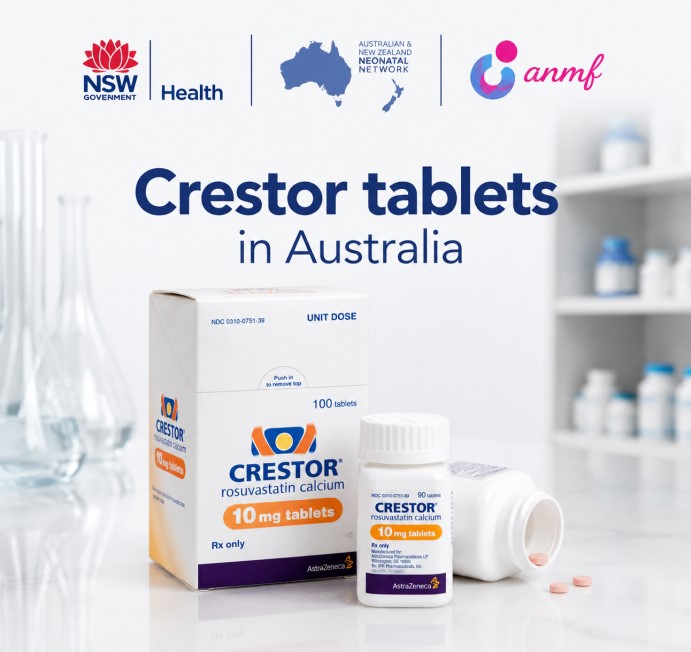
| Detail | Information |
|---|---|
| Brand name | Crestor |
| Active ingredient | Rosuvastatin calcium |
| Medicine class | HMG-CoA reductase inhibitor (statin) |
| Available strengths | 5 mg, 10 mg, 20 mg, 40 mg tablets |
| Schedule | Schedule 4 – Prescription Only Medicine (S4) |
| PBS listed | Yes – subsidised under the Pharmaceutical Benefits Scheme |
| PBS price (2026) | Up to $7.70 (concession) • Up to $25.00 (general Medicare card) |
| How to obtain | Prescription from a GP, specialist or telehealth doctor |
| Sponsor (Australia) | A. Menarini Australia Pty Ltd – 1800 644 542 |
| TGA registration | AUST R 119120 (5 mg) • AUST R 119128 (10 mg) • AUST R 119130 (20 mg) |
| CMI last updated | March 2026 |
This article provides evidence-based medicine information about Crestor tablets (rosuvastatin) for people living in Australia. It is based on the official Consumer Medicine Information (CMI) approved by the Therapeutic Goods Administration (TGA) and current PBS pricing data. It is not a substitute for personalised medical advice. Always speak to your doctor or pharmacist before starting, stopping or changing any medicine.
1. What is Crestor and what is it used for?
Crestor is a prescription cholesterol-lowering medicine available in Australia. Its active ingredient is rosuvastatin calcium, and it belongs to the class of medicines known as statins — the most widely prescribed group of lipid-lowering drugs in Australia.
Crestor is approved by the TGA for two main purposes:
- Lowering high cholesterol (hypercholesterolaemia and mixed dyslipidaemia). Prescribed when diet and exercise alone are not enough to bring cholesterol and triglyceride levels into a healthy range.
- Reducing cardiovascular risk. Even in people with normal cholesterol, Crestor can lower the risk of heart attack, stroke and coronary artery procedures in men aged 50 or over and women aged 60 or over who have at least two conventional cardiovascular risk factors — such as high blood pressure, low HDL cholesterol, smoking, or a family history of premature coronary heart disease. Your doctor may also check a blood marker called C-Reactive Protein (CRP) to help guide this decision.
2. How rosuvastatin works
Rosuvastatin is a fully synthetic, competitive inhibitor of HMG-CoA reductase — the rate-limiting enzyme in the liver’s cholesterol production pathway. By blocking this enzyme, rosuvastatin reduces the liver’s output of LDL cholesterol and triglycerides, while simultaneously increasing levels of protective HDL cholesterol.
- Lowers LDL (“bad”) cholesterol — typically by 46–55% at therapeutic doses
- Raises HDL (“good”) cholesterol
- Reduces total cholesterol and triglycerides
- Dose for dose, rosuvastatin has a greater LDL-lowering effect than most other statins: a 10 mg dose reduces LDL by approximately 46%, compared to 37% with 10 mg atorvastatin and 35% with 20 mg simvastatin
- Does not reduce cholesterol absorbed from dietary fat — a low-fat diet remains essential alongside treatment
Crestor controls cholesterol but does not cure the underlying condition. If you stop taking it, your cholesterol levels will likely rise again. Many people take statin therapy long-term or lifelong.
3. Understanding cholesterol and triglycerides
Cholesterol and triglycerides are fatty substances found naturally in the blood. In healthy amounts they are essential — cholesterol helps build cell membranes, produces bile acids and supports hormone production, while triglycerides provide energy storage.
Problems arise when levels become too high. Excess LDL cholesterol builds up in blood vessel walls, forming plaques that narrow and harden the arteries (atherosclerosis). This restricts blood flow and can lead to heart attack, angina or stroke. HDL cholesterol, by contrast, transports excess cholesterol back to the liver for removal — higher HDL levels are protective. High triglycerides, often accompanied by low HDL, further increase cardiovascular risk.
High cholesterol can result from diet, inactivity, genetic factors, or underlying conditions such as diabetes, hypothyroidism or kidney disease. Your doctor can assess your individual risk profile and advise on the most appropriate treatment.
4. Dosages: 5 mg, 10 mg and 20 mg explained
Crestor is available in four strengths. Your doctor will choose the most appropriate starting dose based on your cholesterol levels, cardiovascular risk, other medical conditions, and ethnic background. Do not adjust your dose yourself.
| Strength | Typical use | Tablet appearance | AUST R |
|---|---|---|---|
| 5 mg | Starting dose for patients at higher risk of side effects: Asian background, kidney impairment, elderly, or those on certain interacting medicines | Yellow, round, film-coated — engraved “ZD4522 5” | 119120 |
| 10 mg | Standard starting dose for most adults with high cholesterol | Pink, round, film-coated — engraved “ZD4522 10” | 119128 |
| 20 mg | Step-up when 10 mg does not achieve targets; also used as the starting dose for cardiovascular event prevention | Pink, round, film-coated — engraved “ZD4522 20” | 119130 |
| 40 mg | Reserved for familial (hereditary) hypercholesterolaemia or inadequate response to 20 mg; subject to additional prescribing restrictions | Pink, oval, film-coated — engraved “ZD4522” / “40” | 119135 |
For most patients with high cholesterol, 20 mg daily is the maximum effective dose. The 40 mg strength is not routinely prescribed and carries additional restrictions under PBS guidelines. The absolute daily maximum is 40 mg. Your doctor will monitor your response and adjust the dose if needed.
Important for patients of Asian background: People of Asian heritage typically have higher rosuvastatin blood levels at the same dose. A 5 mg starting dose is recommended, and the 40 mg strength is generally not appropriate.
5. How to take Crestor correctly
- Take one tablet once daily, at approximately the same time each day.
- Can be taken at any time — morning or evening, with or without food.
- Swallow the tablet whole with a glass of water. Do not crush or chew.
- If you take an antacid containing aluminium or magnesium (e.g. Maalox), take it at least 2 hours before or after Crestor, as antacids reduce rosuvastatin absorption.
- Missed dose: Take it as soon as you remember, provided your next dose is more than 6 hours away. If it is less than 6 hours, skip the missed dose and continue as normal. Never take a double dose to compensate.
- Overdose: If you or anyone else may have taken too much, call the Poisons Information Centre on 13 11 26, contact your GP immediately, or go to your nearest hospital Emergency Department — even if you feel well.
6. Crestor price in Australia – PBS and private cost (2026)
Crestor is listed on the Pharmaceutical Benefits Scheme (PBS), which means the Australian Government subsidises the majority of the cost. From 1 January 2026, PBS co-payment amounts are as follows:
| Patient type | Maximum cost per prescription (2026) | After PBS Safety Net threshold is reached |
|---|---|---|
| General Medicare card holder | Up to $25.00 (reduced from $31.60 on 1 Jan 2026) | Up to $7.70 |
| Concession card holder (pensioner, Health Care Card, DVA) | Up to $7.70 (frozen until 2030) | Free |
These are maximum co-payment amounts. The actual cost may be lower — particularly for generic rosuvastatin — if the government-subsidised price falls below the co-payment cap. Ask your pharmacist for the exact cost at dispensing.
60-day prescriptions: Rosuvastatin qualifies for 60-day prescriptions for patients with stable, ongoing conditions. A 60-day supply on a single script typically costs less than two separate monthly prescriptions, and involves only one dispensing fee. Ask your GP whether a 60-day prescription is appropriate for you.
Brand premium: If you choose branded Crestor and a cheaper generic equivalent is PBS-listed, a brand premium applies on top of your co-payment. This premium does not count towards your PBS Safety Net. You can avoid it by asking your pharmacist to dispense a premium-free generic rosuvastatin instead — the therapeutic effect is identical.
Without PBS (private prescription): Private prescription costs vary by pharmacy and strength, typically ranging from $30–$60 per month for branded Crestor. Generic rosuvastatin on a private prescription is generally cheaper.
Prices are subject to change. Confirm current costs with your pharmacist.
7. Do you need a prescription? How to get one in Australia
Yes. Crestor is a Schedule 4 (S4) Prescription Only Medicine in Australia. It cannot be purchased at a pharmacy, supermarket or online without a valid prescription from a registered Australian health professional. This is a legal requirement under the Therapeutic Goods Act 1989.
Purchasing prescription medicines without a valid Australian prescription — including ordering from overseas websites — is illegal and dangerous. Unverified online sources may sell counterfeit, substandard or incorrectly dosed products.
How to get a legitimate prescription for rosuvastatin in Australia
- Visit your GP. Your general practitioner can check your cholesterol levels (via a blood test), assess your overall cardiovascular risk, and prescribe rosuvastatin if it is appropriate for you. This is the standard pathway for most Australians.
- Telehealth consultation. Many Medicare-eligible telehealth services can assess your cholesterol results and issue an electronic prescription sent directly to your preferred pharmacy. Services accessible via HotDoc, HealthEngine and state-based telehealth programs are widely available.
- Specialist referral. For familial hypercholesterolaemia or complex cardiovascular risk, your GP may refer you to a cardiologist or lipidologist for specialist management.
- Repeat prescriptions. If you are already taking rosuvastatin, many GPs can issue repeats during a brief in-person or telehealth consultation.
8. Generic rosuvastatin vs Crestor: Sandoz, APX, WGR and others
Several TGA-approved generic versions of rosuvastatin are available in Australia, including Rosuvastatin Sandoz, APX Rosuvastatin, Rosuvastatin-WGR and Crosuva. All contain the same active ingredient — rosuvastatin calcium — at the same strengths, and all are PBS-listed.
| Feature | Crestor (original brand) | Generic rosuvastatin (Sandoz, APX, WGR, etc.) |
|---|---|---|
| Active ingredient | Rosuvastatin calcium | Rosuvastatin calcium — identical |
| Available strengths | 5 mg, 10 mg, 20 mg, 40 mg | 5 mg, 10 mg, 20 mg (varies by brand) |
| TGA approval | Yes | Yes — bioequivalence to reference product demonstrated |
| Therapeutic effect | Identical | |
| PBS listing | Yes | Yes |
| Brand premium | May apply | No — typically premium-free |
| Inactive ingredients | May differ slightly between brands | May differ slightly (relevant if you have specific allergies) |
Generic medicines in Australia must demonstrate bioequivalence to the reference brand before TGA approval. This means they achieve the same concentration in the bloodstream within accepted limits, producing the same therapeutic effect.
Switching from Crestor to a generic rosuvastatin is generally safe and clinically equivalent. Always inform your doctor or pharmacist when switching brands so your response can be monitored. One important note: all rosuvastatin tablets contain lactose monohydrate. If you have lactose intolerance or galactose sensitivity, discuss this with your doctor before starting treatment with any brand.
To avoid paying a brand premium, ask your pharmacist: “Is a premium-free generic rosuvastatin available for this prescription?” You are entitled to request a generic substitute.
9. Before you take Crestor – warnings and precautions
Do not take Crestor if you:
- Are allergic to rosuvastatin calcium or any tablet ingredient
- Are pregnant, planning to become pregnant, or breastfeeding
- Have active liver disease, or blood tests showing elevated liver enzymes
Do not take the 40 mg dose if you have:
- Low thyroid hormone levels (hypothyroidism)
- A personal or family history of hereditary muscular disorders
- A history of muscle problems from previous lipid-lowering medicines
- Heavy alcohol use history
- Asian heritage
- Been prescribed a fibrate (e.g. gemfibrozil)
- Been prescribed any medicine containing fusidic acid
- Severe kidney impairment
Tell your doctor before starting if you have:
- Liver or kidney problems
- Hypothyroidism
- A personal or family history of muscle disorders
- Unexplained muscle aches or pains
- Diabetes (rosuvastatin may slightly increase blood glucose)
- A history of muscle problems from other cholesterol medicines
- Regular heavy alcohol consumption
- Any allergy to other statins (simvastatin, atorvastatin, pravastatin, fluvastatin)
Pregnancy and breastfeeding
Crestor must not be taken during pregnancy. Cholesterol is needed for normal foetal development, and rosuvastatin may harm the unborn baby. Use reliable contraception while taking Crestor and stop the medicine immediately if you become pregnant — then contact your doctor without delay. Do not breastfeed while taking Crestor, as it may pass into breast milk.
10. Medicines that interact with Crestor
Several medicines can increase rosuvastatin blood levels or enhance its side effects. Always tell your doctor and pharmacist about every medicine, supplement, vitamin and herbal product you are taking. The most clinically significant interactions include:
| Medicine | Used for | Interaction concern |
|---|---|---|
| Ciclosporin | Organ transplant rejection prevention | Significantly increases rosuvastatin levels — dose adjustment required |
| Gemfibrozil | Lowering triglycerides | Increases rosuvastatin levels and risk of muscle problems (myopathy) |
| Fusidic acid | Bacterial infections | Increases risk of myopathy — avoid combination |
| Warfarin | Blood clot prevention | May enhance anticoagulant effect; INR monitoring is required |
| Antiviral combinations (ritonavir, atazanavir, lopinavir, glecaprevir/pibrentasvir, others) | HIV and hepatitis C | Can substantially raise rosuvastatin blood levels |
| Antacids (aluminium/magnesium-based) | Heartburn, indigestion | Reduces rosuvastatin absorption — separate doses by at least 2 hours |
| Ezetimibe, fenofibrate | Cholesterol and triglyceride lowering | Sometimes co-prescribed; doctor will assess combined benefit and risk |
| Clopidogrel, ticagrelor | Blood clot prevention | May increase rosuvastatin exposure |
This is not a complete list. Your doctor or pharmacist can check for all relevant interactions. For full prescribing information, see the TGA ARTG entry for Crestor.
11. Side effects
All medicines can cause side effects. Most side effects of Crestor are mild and temporary. Consult your doctor or pharmacist if any side effect concerns you.
Common side effects (speak to your doctor if these worry you)
- Headache
- Constipation
- Dizziness
- Nausea
- Stomach pain
- Unusual tiredness or general weakness (asthenia)
- Muscle pain (myalgia)
- Stiff or painful joints (arthralgia)
Serious side effects — seek immediate medical attention
Call your doctor straight away or go to the nearest hospital Emergency Department if you experience any of the following:
- Muscle problems (myopathy / rhabdomyolysis): Unexplained muscle aching, tenderness or weakness not caused by exercise — especially with fever or general unwellness. Dark or cola-coloured urine is a warning sign of rhabdomyolysis, a rare but serious condition that can damage the kidneys.
- Liver problems: Upper abdominal pain, yellowing of skin or eyes (jaundice), pale stools, dark urine, loss of appetite, or persistent nausea and vomiting.
- Severe allergic reaction: Difficulty breathing, swelling of the face, eyelids or lips, widespread rash, or sores in the mouth.
- DRESS syndrome: Widespread rash combined with high body temperature and enlarged lymph nodes — a rare but serious drug hypersensitivity reaction.
- Lung problems: Persistent cough and difficulty breathing, particularly with fatigue, weight loss or fever.
- Metabolic changes: A significant increase in thirst, hunger or need to urinate — possible signs of new-onset diabetes.
Report side effects to the TGA at www.tga.gov.au/reporting-problems. Reporting helps improve medicine safety information for all Australians.
12. What to do while taking Crestor
- Regular blood tests: Have cholesterol and triglyceride levels checked as directed by your doctor to confirm Crestor is working effectively.
- Healthy lifestyle: Crestor works best alongside a low-fat diet, regular physical activity and healthy weight management. It does not replace these measures.
- Tell all healthcare providers: Remind any doctor, dentist or pharmacist you see that you are taking Crestor.
- Do not stop without medical advice: Even if you feel well, stopping Crestor will allow cholesterol levels to rise again. Always consult your doctor first.
- Alcohol: Excessive alcohol use is not safe with Crestor and may worsen liver side effects. Discuss your alcohol intake with your doctor.
- Driving: Crestor may cause dizziness in some people. Be cautious when driving or operating machinery until you know how the medicine affects you.
- Pregnancy: Call your doctor immediately if you become pregnant while taking Crestor.
- Surgery: Inform your surgical team that you are taking Crestor before any planned or emergency operation.
13. Storage, disposal and ingredients
- Store in a cool, dry place below 30°C, away from moisture, heat and sunlight.
- Do not store in the bathroom, near a sink, in a car or on a windowsill.
- Keep tablets in the blister pack until ready to take.
- Keep all medicines out of reach of children.
- Do not use after the expiry date on the pack.
- Return unused or expired tablets to any community pharmacy for safe disposal through the Return Unwanted Medicines (RUM) Project.
Ingredients
All Crestor tablets contain: lactose monohydrate, microcrystalline cellulose, calcium phosphate, crospovidone, magnesium stearate, hypromellose and triacetin. The 5 mg tablets are coloured with titanium dioxide and iron oxide yellow. The 10 mg, 20 mg and 40 mg tablets are coloured with titanium dioxide and iron oxide red. Do not take Crestor if you are allergic to lactose or any other listed ingredient.
14. Frequently asked questions
Can I buy Crestor or rosuvastatin online in Australia without a prescription?
No. Crestor and all rosuvastatin products are Schedule 4 (S4) Prescription Only Medicines in Australia. They cannot legally be sold without a valid Australian prescription. Ordering prescription medicines from overseas websites without a prescription is illegal under the Therapeutic Goods Act 1989 and carries serious health risks — overseas sources may supply counterfeit, substandard or incorrectly dosed products. You can obtain a legitimate prescription from your GP in person or through a Medicare-eligible telehealth service. Once you have a valid prescription, many registered Australian online pharmacies can dispense and deliver the medicine to your door.
How much does Crestor cost in Australia in 2026?
Crestor is PBS-listed. From 1 January 2026, the maximum co-payment is $25.00 per prescription for general Medicare card holders, or $7.70 for concession card holders (pensioners, Health Care Card, DVA). The actual cost may be lower for generic rosuvastatin. A 60-day prescription option is also available, which can further reduce total annual costs. If you choose branded Crestor rather than a generic, a brand premium may apply — ask your pharmacist about premium-free alternatives.
Is generic rosuvastatin (Sandoz, APX, WGR) as effective as Crestor?
Yes. All generic rosuvastatin products approved by the TGA contain identical active ingredient at the same dose and have demonstrated bioequivalence to the reference product. They produce the same blood levels and the same therapeutic effect. The main practical differences are inactive ingredients (rarely clinically relevant) and cost — generics typically do not carry a brand premium under the PBS. Ask your pharmacist whether a premium-free generic is available for your script.
What are the long-term side effects of rosuvastatin?
The most clinically important long-term concern is muscle toxicity — from mild myalgia (muscle pain) to the rare but serious condition rhabdomyolysis. There is also a small, recognised increase in the risk of new-onset type 2 diabetes with long-term statin use particularly in people with pre-existing risk factors. Regular monitoring by your GP — including periodic blood tests for liver enzymes and, if muscle symptoms develop, creatine kinase (CK) levels — helps detect and manage these risks early. For most people, the cardiovascular benefits of rosuvastatin significantly outweigh the risks.
Can I drink alcohol while taking Crestor?
Occasional, moderate alcohol consumption is not specifically contraindicated with Crestor. However, excessive or heavy alcohol use is not safe — both alcohol and rosuvastatin can affect liver function, and the combination increases this risk. The 40 mg dose is specifically not recommended for people with a history of heavy alcohol use. Discuss your alcohol intake honestly with your doctor so they can factor it into your treatment.
Can I take Crestor if I am pregnant or trying to conceive?
No. Crestor must not be taken during pregnancy. Cholesterol is essential for normal foetal development, and rosuvastatin may harm the unborn baby. If you are planning a pregnancy, discuss stopping Crestor with your doctor before trying to conceive. If you become pregnant while taking Crestor, stop the medicine immediately and contact your doctor without delay.
Can I take Crestor if I have diabetes?
In most cases, yes — but your doctor will monitor your blood glucose more closely. Rosuvastatin, like other statins, can slightly raise blood glucose and has been associated with a small increase in the risk of new-onset type 2 diabetes. However, people with diabetes also have higher cardiovascular risk, and the heart-protective benefits of rosuvastatin usually outweigh this concern. Do not stop your statin without first discussing it with your doctor.
Does Crestor cause weight gain?
Weight gain is not a recognised direct side effect of rosuvastatin in clinical trials. Some people report increased fatigue on statins, which may reduce physical activity and indirectly affect weight. If you notice unexplained weight changes while taking Crestor, speak to your doctor to rule out other causes such as thyroid dysfunction.
Is rosuvastatin 5 mg safe to take?
Rosuvastatin 5 mg is the lowest available dose and is generally well tolerated. It is the recommended starting dose for patients more sensitive to statins — including elderly patients, those with kidney impairment, and people of Asian background. Like all doses, it carries the same class-related risks, but these are less likely at lower doses. Your doctor will determine whether 5 mg is the right starting dose for your individual situation.
Are there side effects of rosuvastatin specifically in women?
The general side effect profile of rosuvastatin is similar in men and women. However, women should be aware that Crestor is absolutely contraindicated in pregnancy and breastfeeding. Women of childbearing age should use reliable contraception while taking rosuvastatin. Some research suggests women may be slightly more susceptible to statin-associated muscle symptoms (myalgia), so report any unexplained muscle pain to your doctor promptly.
Summary
Crestor (rosuvastatin) is an effective, PBS-subsidised prescription medicine for managing high cholesterol and reducing cardiovascular risk in eligible Australians. It is available in 5 mg, 10 mg and 20 mg strengths, taken once daily at any time with or without food. From January 2026, PBS co-payments are capped at $25.00 for general patients and $7.70 for concession holders. Generic alternatives — Rosuvastatin Sandoz, APX, WGR and others — are bioequivalent to Crestor and often available at a lower out-of-pocket cost.
Crestor requires a doctor’s prescription and cannot be obtained legally without one in Australia. Speak to your GP or use a telehealth service. Always take rosuvastatin as directed, attend regular cholesterol checks, and report any muscle pain, unusual tiredness or other concerning symptoms to your doctor promptly.
This information is intended for general educational purposes only and does not replace personalised medical advice. Consult your doctor or pharmacist before starting, stopping or changing any medicine.
15. References and further reading
- A. Menarini Australia Pty Ltd. Crestor Consumer Medicine Information (CMI). March 2026. www.menarini.com.au/cmi
- Therapeutic Goods Administration (TGA). ARTG entries for Crestor (AUST R 119120, 119128, 119130, 119135). www.tga.gov.au
- Australian Government Department of Health and Aged Care. PBS Co-payments 2026. www.health.gov.au
- Pharmaceutical Benefits Scheme. Rosuvastatin listing. www.pbs.gov.au
- Healthdirect Australia. Crestor. www.healthdirect.gov.au
- NPS MedicineWise. Rosuvastatin (Australian Prescriber). www.nps.org.au
- For clinical-grade neonatal medicine monographs, see the ANMF Clinical Resources.
- For information on related medicines, see the ANMF Medication Information section.
Disclaimer: The information on this page is based on the Australian Consumer Medicine Information (CMI) approved by the Therapeutic Goods Administration and current PBS data as of May 2026. It is provided for general informational purposes only and is not a substitute for professional medical advice, diagnosis or treatment. Always read the label. If symptoms persist, speak to your healthcare professional. ANMF does not receive sponsorship from any pharmaceutical company and is free from commercial bias.